


Hybrid vs Electric Vehicles: Pros, Cons & Cost Comparison
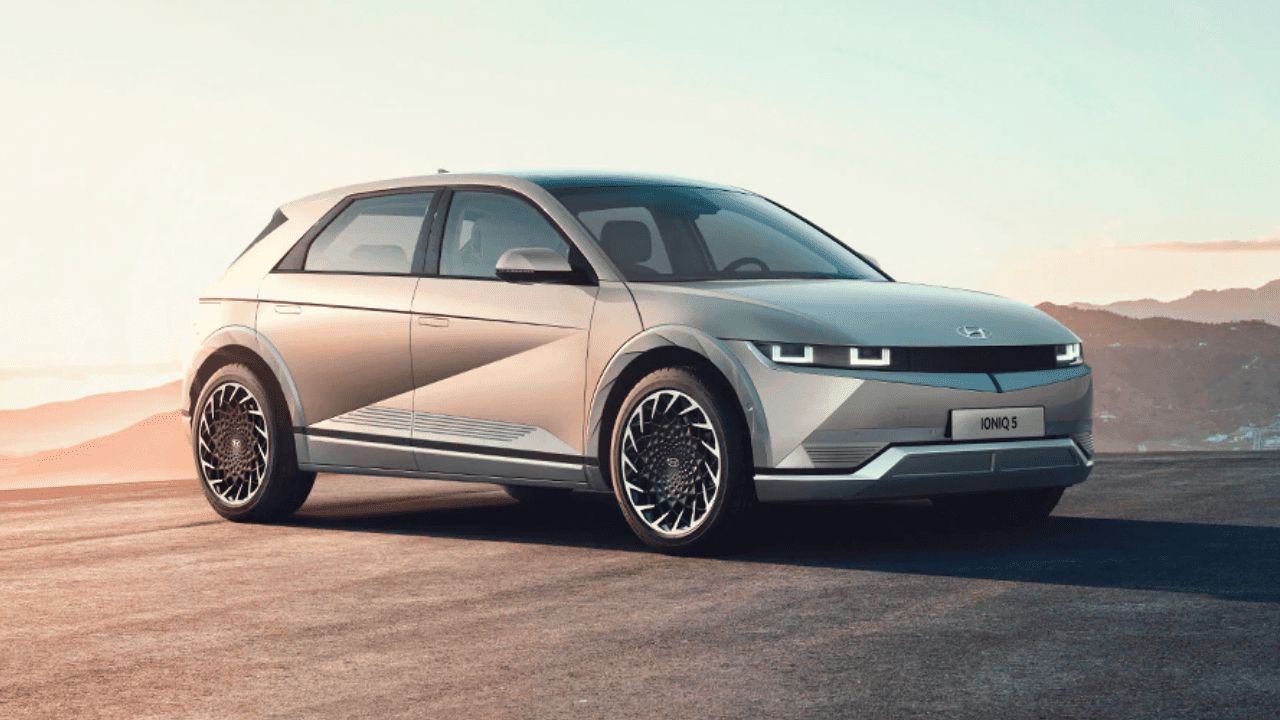
Hybrid vs Electric Vehicles: The Core Differences
Choosing between hybrid vs electric vehicles is one of the biggest decisions drivers face today. As fuel prices fluctuate and technology evolves, more shoppers are comparing electric vs hybrid vehicles to find the option that fits their budget, driving habits, and long-term goals.
Both offer better efficiency and lower emissions than traditional gas vehicles — but they work very differently.
What Is a Hybrid Vehicle?
A hybrid uses both a gasoline engine and an electric motor. The system automatically switches between the two to maximize fuel efficiency.
Do hybrid cars need to be charged?
Traditional hybrids do not. The battery recharges through regenerative braking and the gas engine — no plug required.
This makes hybrids an easy transition for drivers who want better MPG without changing their routine.
What Is an Electric Vehicle (EV)?
Electric vehicles run entirely on battery power. There’s no gasoline engine and no tailpipe emissions.
EVs must be plugged in to recharge — either at home or at public charging stations. Many modern EVs now offer over 250 miles of range, making them practical for daily commuting and road trips with planning.
Plug In Hybrid vs Electric Vehicle
Plug-in hybrids (PHEVs) combine both systems:
-
Larger battery than traditional hybrids
-
Limited electric-only range
-
Must be charged for maximum efficiency
-
Can switch to gas when needed
When comparing plug-in hybrid vs electric vehicles, PHEVs offer flexibility. EVs offer full electrification.
Hybrid vs Electric: Pros and Cons
Every vehicle type has strengths and trade-offs. Understanding the hybrid vs electric cars pros and cons will help clarify which fits your needs.
Advantages of Hybrid Vehicles
Hybrid vehicles offer:
- No need to plug in
- Excellent fuel economy
- Lower upfront cost compared to most EVs
- Familiar driving experience
- Long driving range
For many shoppers comparing hybrid vs EV cars, the convenience of not having to charge is a major advantage.
Advantages of Electric Vehicles
Electric vehicles offer:
- Zero tailpipe emissions
- No gasoline costs
- Fewer moving parts
- Smooth, quiet acceleration
- Reduced routine maintenance
In the electric vs hybrid vehicles comparison, EVs often win in long-term environmental impact and reduced mechanical complexity.
Potential Drawbacks to Consider
Hybrid vehicles still rely on gasoline and require oil changes. EVs require charging infrastructure and can experience range reduction in extreme cold.
The best choice depends less on which is “better” overall and more on which fits your daily life.
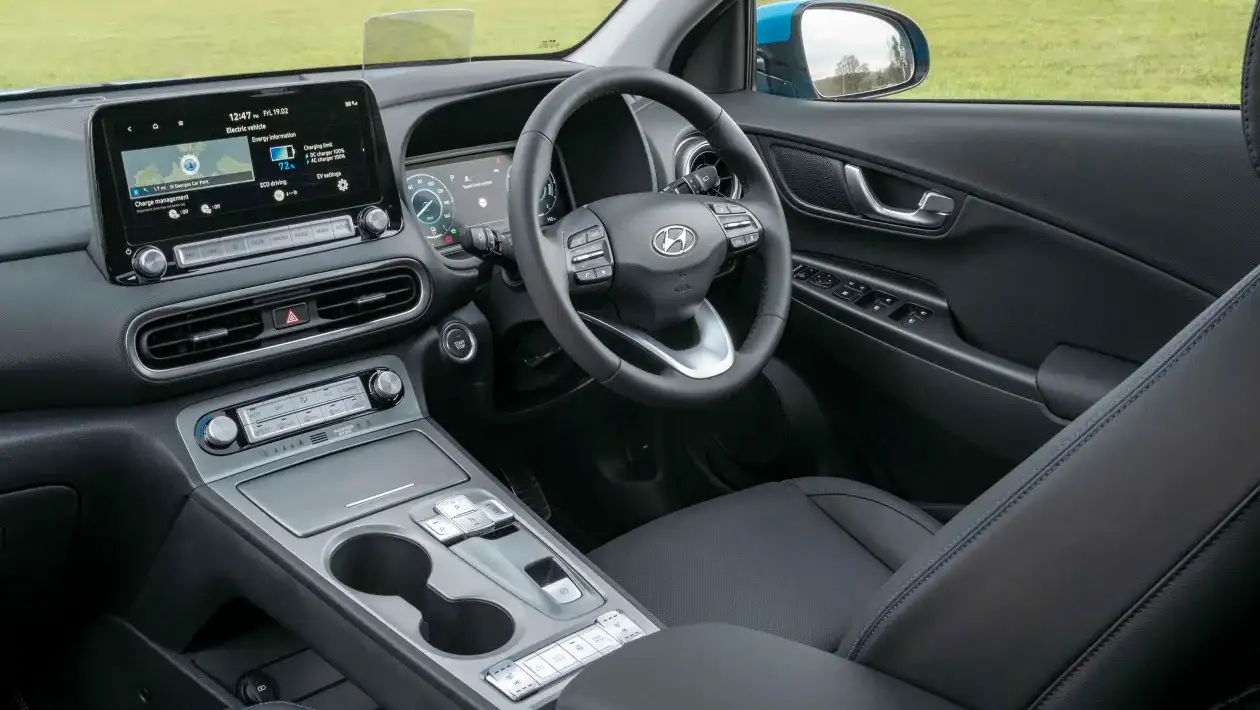
Hybrid vs Electric Cost Comparison
Cost is often the deciding factor in the hybrid vs electric vehicles decision.
Upfront Price
- Hybrids typically have a lower starting price than EVs. However, some electric vehicles may qualify for federal or state incentives, which can narrow the gap.
Fuel vs Charging Costs
- Hybrids reduce gasoline usage but do not eliminate it. EVs eliminate gasoline entirely. Charging at home often costs less per mile than fueling with gas.
Maintenance Costs
- When comparing hybrid vs electric vehicles, EVs usually require:
- No oil changes
- No spark plugs
- Fewer moving engine components
Hybrids still require engine maintenance but benefit from regenerative braking systems that reduce brake wear.
Over time, total ownership costs can favor EVs — particularly for drivers with consistent daily commuting patterns.
Do Hybrid Cars Need to Be Charged?
This question deserves its own clear answer because it’s searched so frequently. Traditional hybrids do not need to be plugged in — the system automatically recharges while driving through regenerative braking and the gasoline engine. Plug-in hybrids, however, do benefit from charging to maximize electric driving range, but they can still operate on gasoline if not plugged in. Understanding this distinction is critical when comparing plug-in hybrid vs electric vehicle options.
Hybrid Cars in Winter vs Electric Cars in Winters

Hybrid Cars in Winter
Hybrid vehicles perform similarly to gas-powered vehicles in cold temperatures. Because they rely on a gasoline engine, range remains predictable even in freezing conditions.
Electric Car in Winters
EVs can experience temporary range reduction in cold weather. Battery performance is affected by temperature, and heating the cabin uses additional energy.
However, modern EVs include:
- Battery thermal management systems
- Remote preconditioning
- Heated seats and steering wheels to reduce energy draw
When comparing hybrid vs electric in winter, hybrids offer consistency, while EVs require slightly more planning.
Which Is Better: Hybrid vs EV Cars?
There is no one-size-fits-all answer.
A hybrid may be better if:
- You drive long distances frequently
- You cannot install home charging
- You want improved MPG without lifestyle changes
An electric vehicle may be better if:
- You have access to home charging
- Your daily commute fits within EV range
- You want to eliminate gasoline costs
- You prefer fully electric performance
When comparing electric vs hybrid vehicles, the right answer depends on your daily routine, budget, and long-term goals.
Why Hyundai Excels in Both Hybrid and Electric Vehicles
After reviewing hybrid vs electric vehicles, many drivers want a brand that offers strong options in both categories. Hyundai has positioned itself as a leader in electrified mobility.
Hyundai’s lineup includes:
Hybrid Models
Plug-In Hybrid
Electric Vehicles
Hyundai vehicles are known for:
- Advanced safety technology
- Strong warranty coverage
- Modern interior design
- Competitive pricing
For drivers comparing hybrid vs EV cars, Hyundai offers flexibility without sacrificing performance or innovation.
Explore Hybrid and Electric Vehicles at Walser Hyundai Coon Rapids

Reading about hybrid vs electric vehicles is helpful — but experiencing them firsthand makes the decision easier.
At Walser Hyundai Coon Rapids, you can:
- Test drive hybrid and electric models back-to-back
- Review real-world cost comparisons
- Discuss charging options
- Explore available incentives
- Get answers to your specific driving questions
Whether you’re leaning toward a hybrid, exploring a plug-in hybrid, or considering a fully electric vehicle, our team can help you make an informed decision.
Schedule a Hybrid or EV Test Drive
Start Your Hybrid vs Electric Comparison Today
Still deciding between hybrid vs electric vehicles? The next step is simple: explore your options in person.
Browse our current Hyundai hybrid and electric inventory online or visit Walser Hyundai Coon Rapids to speak with a product specialist. We’ll help you compare features, costs, and performance — so you can confidently choose the vehicle that fits your life.
Your next vehicle is waiting. Let’s find it together.